Common Entry Points Rodents Use to Access Properties
To effectively control rodents, local service providers can identify and seal common entry points rodents use to access properties, preventing future infestations.
Understanding the common entry points rodents use to access properties is an essential step for property owners concerned about pests. These small creatures often exploit overlooked gaps, cracks, and openings around a building’s foundation, doors, windows, and utility lines. Recognizing where rodents are most likely to enter can help prevent infestations before they start, saving time and effort down the line. Local contractors specializing in rodent pest control are well-versed in identifying these vulnerabilities and can provide tailored solutions to secure a property effectively.
For property owners in the area, exploring this topic offers practical insights into safeguarding homes and businesses against rodent intrusions. Addressing entry points early can reduce the risk of damage and health concerns associated with rodent activity. Many local service providers offer comprehensive assessments and exclusion services designed to block these common access routes, helping to maintain a pest-free environment. Keep reading to learn more about how understanding entry points can support effective rodent prevention strategies and connect with the right local experts for the job.
- Rodent entry point repair - homeowners noticing rodent activity may need local contractors to identify and seal common entry points rodents use to access properties.
- Foundation crack sealing - properties with visible foundation damage can benefit from service providers who specialize in closing entry points rodents use to gain entry.
- Venting and chimney cap installation - when rodents are found entering through vents or chimneys, local pros can install barriers to block these common access routes.
- Door and window gap sealing - if rodents are entering through gaps around doors or windows, local contractors can secure these openings to prevent further access.
- Roof and soffit repairs - properties with damaged roof vents or soffits may require local experts to repair and seal entry points rodents use to access attics and upper levels.
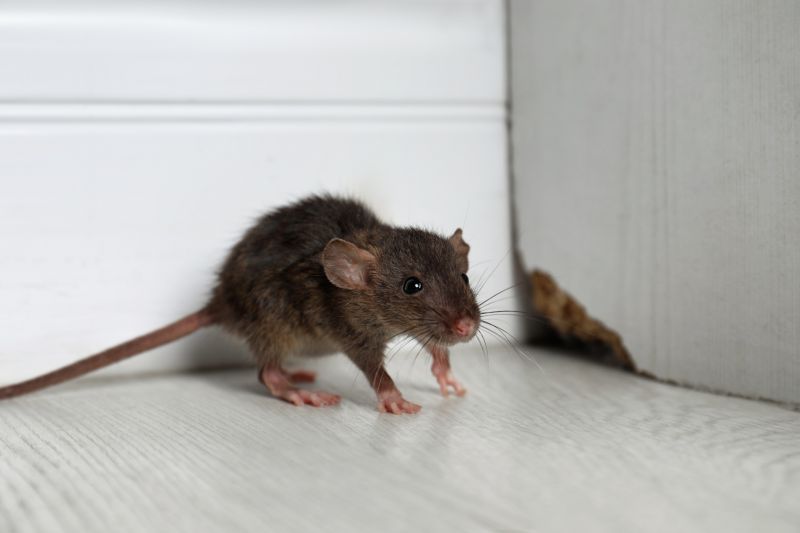

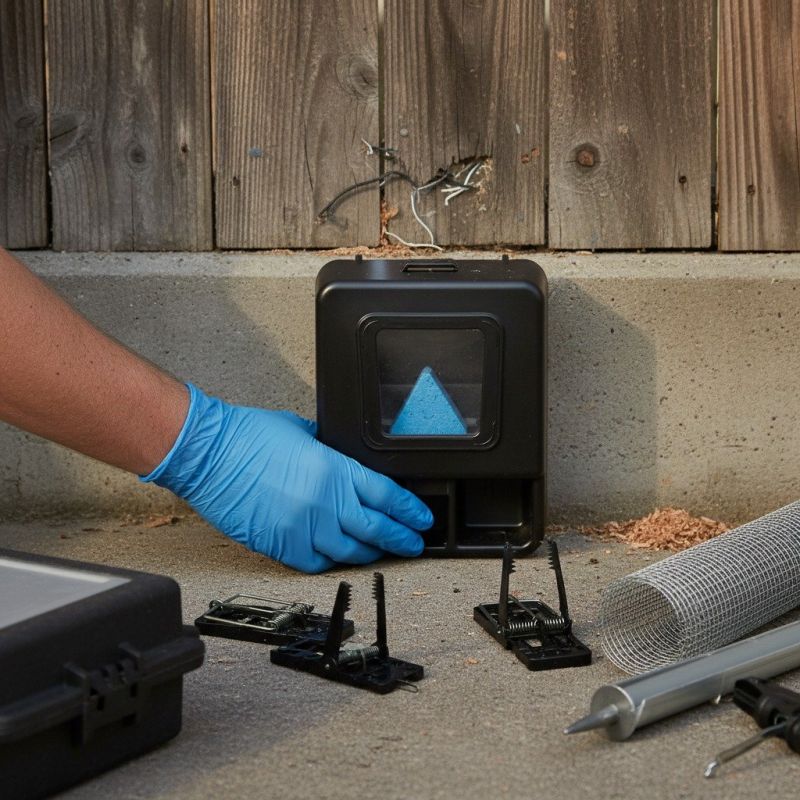
Many homeowners searching for information about common entry points rodents use to access properties are typically concerned with understanding how these pests manage to get inside their homes or buildings. The focus often revolves around identifying weak spots or vulnerabilities in the structure that rodents exploit to gain entry. Recognizing these points is essential for developing effective prevention strategies and planning pest control efforts. Property owners may be preparing for an inspection, seeking to seal off existing entryways, or trying to understand how rodents are infiltrating their space to better coordinate with local contractors who specialize in pest exclusion and removal.
The problems associated with rodents entering properties often include damage to wiring, insulation, and stored belongings, as well as the risk of disease transmission. Homeowners and property managers may be planning to implement exclusion measures or conduct repairs to prevent future infestations. Understanding the common entry points helps in pinpointing specific vulnerabilities, such as gaps around doors, vents, or utility lines. Local pest control contractors frequently work alongside property owners to identify these entry points during inspections and to recommend or perform sealing and exclusion work that stops rodents from re-entering.
Certain types of properties tend to be more susceptible to rodent entry due to their design, age, or location. Residential homes, especially older houses with aging infrastructure, are common targets because of cracks, gaps, and poorly sealed openings. Commercial buildings, warehouses, and storage facilities may also face similar issues, often with larger vulnerabilities around loading docks, utility penetrations, or ventilation openings. Rural properties and farms can be particularly vulnerable at points where utility lines or fencing are compromised. Local service providers are experienced in assessing these property types and tailoring exclusion strategies to address their specific vulnerabilities effectively.
Understanding the common entry points rodents use to access properties is a crucial step in preventing infestations and minimizing damage. Homeowners and property managers who recognize these vulnerabilities can work with local pros to implement targeted exclusion and sealing measures. These professionals have the expertise to identify hidden entry points, such as small holes, gaps, or cracks that may be overlooked. Properly addressing these entry points not only helps eliminate current rodent problems but also prevents future ones, making the property less inviting to pests and reducing the risk of ongoing issues.
Home Inspection Projects - inspecting properties for potential entry points rodents may use helps identify vulnerabilities that local contractors can address effectively.
Building Repair and Sealing Projects - sealing gaps, cracks, and openings is essential in preventing rodents from gaining access through common entry points.
Gutter and Drainage System Projects - ensuring proper drainage and covering openings can reduce rodent access through roof and foundation entry points.
Attic and Basement Ventilation Projects - installing or repairing vents and covers can block rodents from entering through these common access areas.
Exterior Landscaping and Barrier Projects - modifying landscaping to eliminate hiding spots and creating barriers can deter rodents from approaching structures.
Structural Reinforcement Projects - reinforcing foundations, walls, and doors helps prevent rodents from exploiting structural weaknesses to access properties.
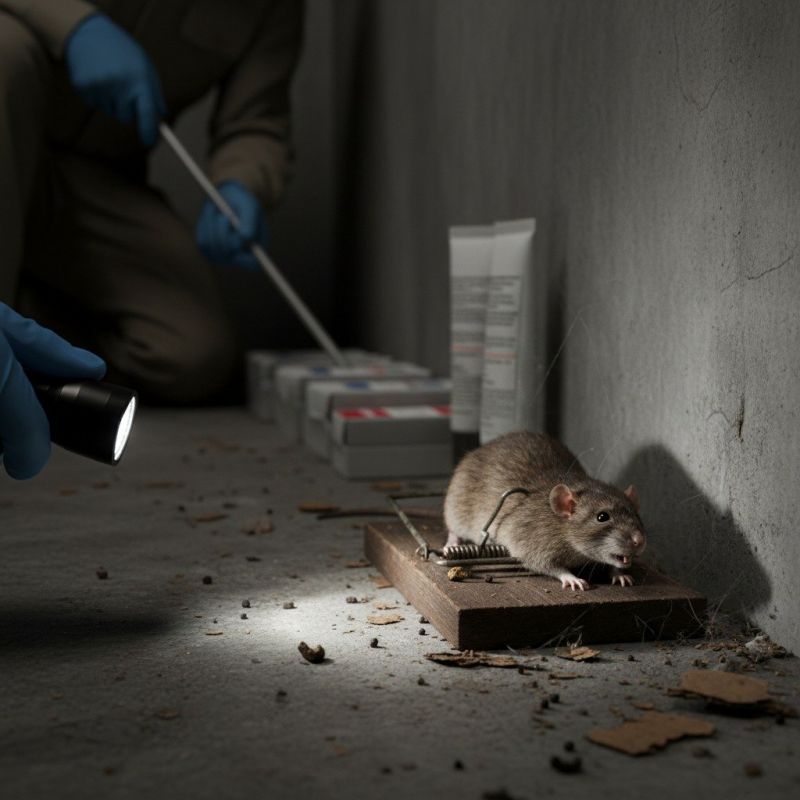
When comparing service providers for rodent pest control, it is important to evaluate their experience with similar projects, particularly those involving identifying and sealing common entry points rodents use to access properties. An experienced local contractor will have a better understanding of the typical entry vulnerabilities in different types of buildings and can provide insights into effective prevention strategies. Ensuring that a potential service provider has a track record of handling cases similar to your situation can help increase confidence that they understand the complexities involved in rodent exclusion and control.
Clear written expectations are essential when choosing a rodent pest control provider. A reputable local contractor should be able to articulate the scope of work, including inspection procedures, identification of entry points, sealing methods, and follow-up measures. Having a detailed plan in writing helps prevent misunderstandings and ensures that both parties are aligned on what the service will entail. It also allows homeowners to compare proposals more effectively and select a provider that offers transparent, comprehensive service descriptions.
Reputable references and good communication are critical factors when selecting a service provider. Local contractors with a history of satisfied clients are more likely to deliver reliable service. Asking for references or reviews can provide insights into the contractor’s professionalism and effectiveness. Additionally, good communication-such as responsiveness, clarity in explanations, and willingness to answer questions-can make the entire process smoother. This helps ensure that homeowners feel informed and confident throughout the project, especially when addressing the important task of preventing rodents from entering through common entry points.
Property owners often search for common entry points rodents use to access properties when they are planning practical projects around their homes and businesses. Local pros provide Rodent Pest Control services for everyday jobs and straightforward project options.
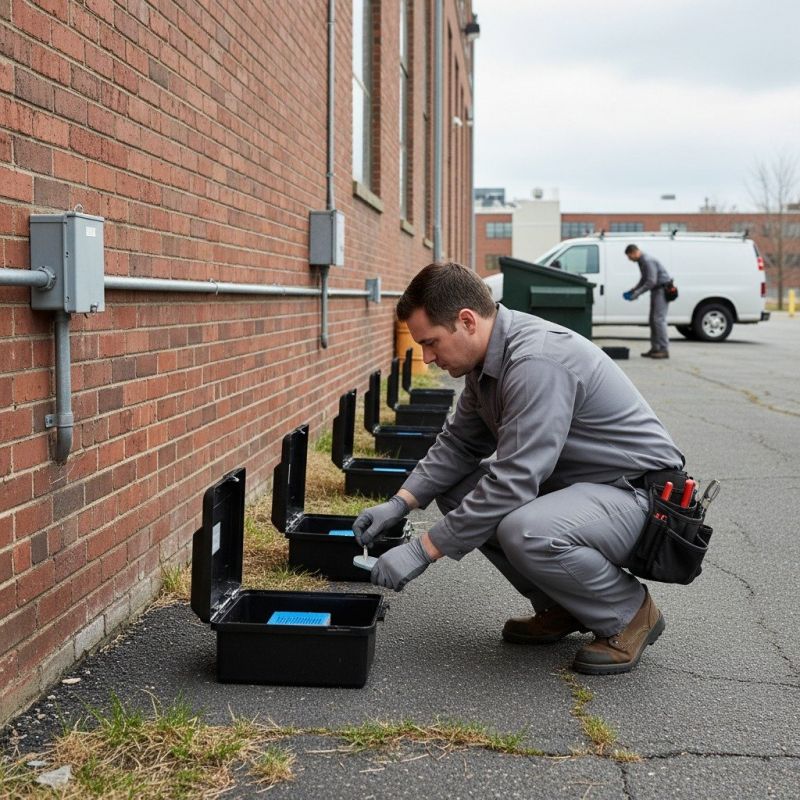
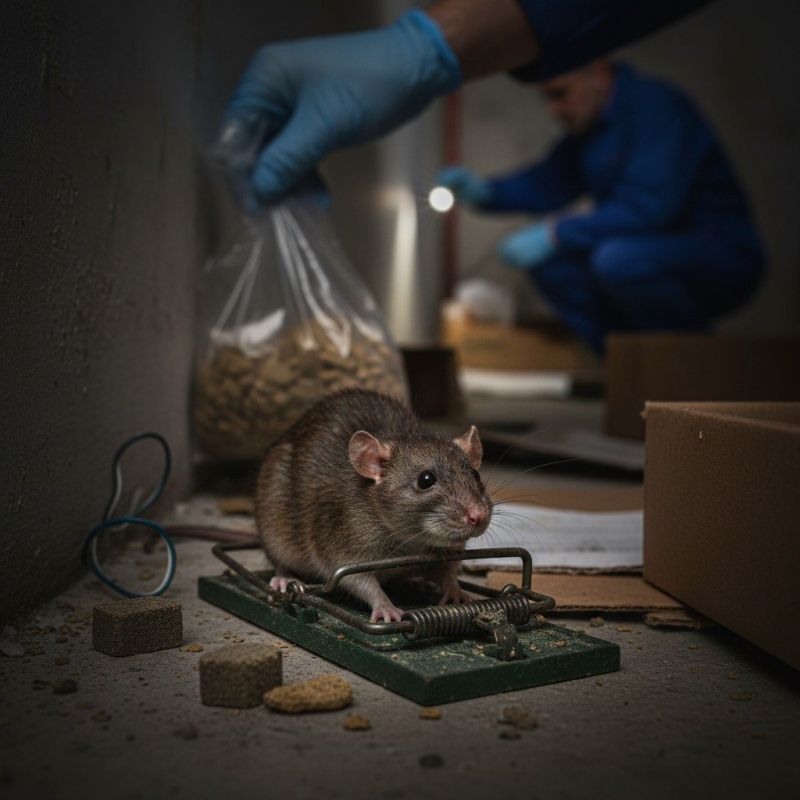
Understanding the common entry points rodents use to access properties can help homeowners identify vulnerabilities around their homes. Small gaps around doors, windows, and vents are frequent pathways, along with cracks in the foundation or walls that may develop over time. Additionally, utility openings, such as those for pipes or cables, often serve as convenient access points. Property owners in the area might look into rodent pest control services from local contractors to assess these potential entry sites and implement effective exclusion measures, preventing rodents from gaining entry and causing further issues.
Many rodent infestations start when these pests find easy ways inside, especially during seasons when they seek shelter or food sources. Simple repairs, such as sealing gaps or installing barriers, can significantly reduce the likelihood of an invasion. Local service providers specializing in rodent pest control can evaluate a property’s specific vulnerabilities, identify hidden entry points, and recommend targeted solutions. Engaging experienced contractors ensures that all common access points are addressed, helping to maintain a rodent-free environment.
What are common entry points rodents use to access properties? Rodents often enter buildings through small openings around doors, windows, vents, and utility lines. They can also exploit gaps in the foundation, damaged roof vents, and unsealed entryways. Local contractors can identify and seal these entry points to prevent infestations.
How do rodents typically gain access through the roof or attic? Rodents can access roofs via damaged or missing soffit vents, gaps around chimney flashing, or broken roof tiles. Once inside the attic, they may find gaps around vents or damaged fascia boards. Pest control services can help locate and block these access points.
Are there specific entry points around the foundation that rodents use? Yes, rodents often enter through cracks, holes, or gaps in the foundation walls, especially near utility pipes or where the foundation meets the ground. Sealing these entry points is a key part of effective rodent control.
Can vents and utility openings serve as entry points for rodents? Absolutely. Unsealed or damaged vents, gaps around pipes, and open crawl spaces can provide easy access for rodents. Local pros can inspect and properly seal these openings to keep rodents out.
What role do gaps around doors and windows play in rodent entry? Gaps under doors, around window frames, and in poorly sealed door thresholds are common entry points. Proper sealing and weatherstripping by service providers can help block these access routes.
Identify and seal entry points - property owners can inspect their buildings for gaps and cracks that rodents might use to enter, and seek local contractors to professionally seal these openings.
Install rodent-proof barriers - adding barriers around foundations, vents, and utility lines helps prevent rodents from gaining access, with local pros providing expert installation.
Maintain landscaping and exterior features - trimming trees, shrubs, and clearing debris reduces hiding spots and access routes, and local service providers can advise on effective landscape management.
Regular property inspections and repairs - routine checks for damage and wear around doors, windows, and vents allow property owners to address potential entry points early with the help of local pest control specialists.
If you are thinking about common entry points rodents use to access properties for a property, this guide is meant to help you understand this topic, the typical project types, and how different options might fit your plans.
When you are ready, you can use the quote form on this page to share a few details about your project. From there, local pros can review the basics and follow up with options that match what you have in mind.