Health Risks Associated With Mice and Rats in Buildings
Local service providers can help eliminate mice and rats, reducing health risks associated with mice and rats in buildings and protecting your family’s safety.
If you’ve noticed signs of mice or rats in a building, understanding the health risks associated with these pests is essential for property owners. Mice and rats can carry and transmit a variety of illnesses through their droppings, urine, and even bites, posing serious health concerns for residents, employees, or visitors. Recognizing these risks early can help prevent potential outbreaks of disease, making it important to explore effective pest control solutions. Local contractors who specialize in mice and rat pest control offer practical expertise to address infestations safely and efficiently, helping to protect your property’s occupants and overall hygiene.
Exploring the health implications of mice and rats in buildings underscores the importance of professional pest management. These rodents can contaminate food supplies, damage insulation, and create unsanitary conditions that increase the likelihood of illness. Property owners in the area who want to safeguard their spaces and ensure a healthy environment often turn to local service providers experienced in rodent control. By connecting with these specialists, it’s possible to develop a tailored approach that not only addresses current issues but also helps prevent future health risks associated with mice and rats. Keep reading to learn more about how local experts can assist with maintaining a safe and pest-free property.
- Mouse and Rat Pest Control Services - local service providers are called upon when signs of rodent activity are detected to reduce health risks associated with mice and rats in buildings.
- Mouse and Rat Pest Control Services - homeowners and property managers seek these services to eliminate potential sources of disease transmission caused by rodents.
- Mouse and Rat Pest Control Services - early intervention by local contractors can prevent the spread of parasites and bacteria linked to mice and rats in structures.
- Mouse and Rat Pest Control Services - professionals are engaged to address infestations that pose health risks associated with mice and rats in buildings.
- Mouse and Rat Pest Control Services - local pest control experts are utilized when there is a concern about contamination of food supplies and surfaces by rodents.

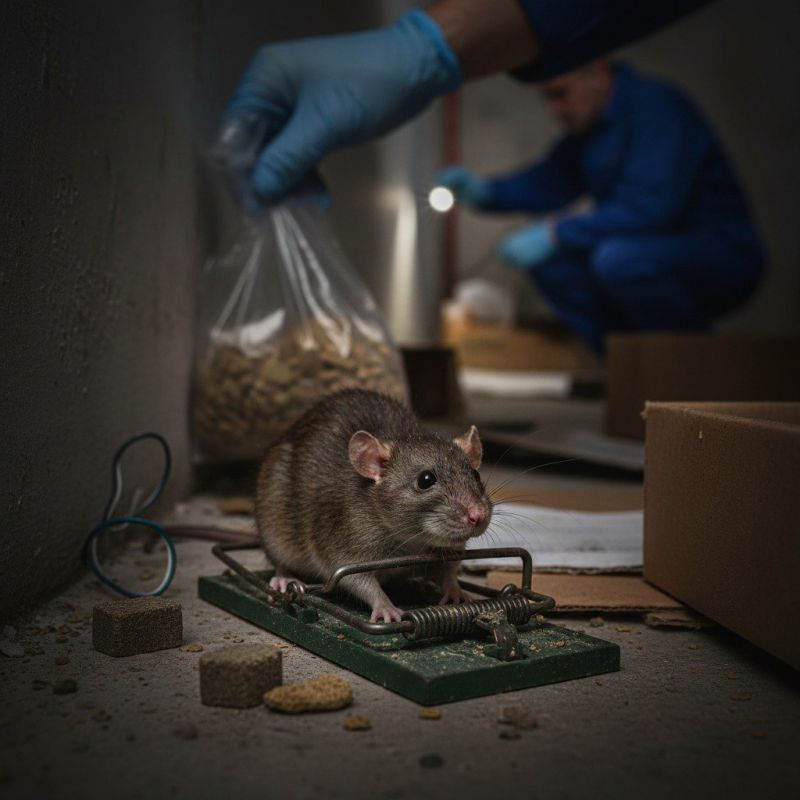
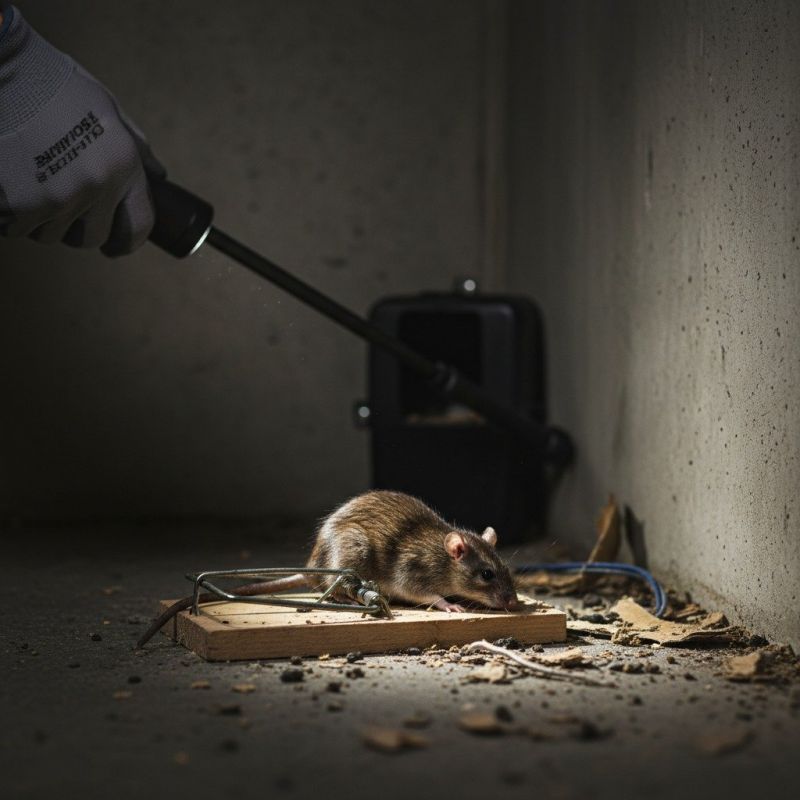
When people search for information about health risks associated with mice and rats in buildings, they are often concerned about the potential dangers these rodents pose to their household or workplace. This topic typically relates to issues of pest management, property safety, and personal health. Homeowners may be experiencing signs of rodent activity, such as droppings, gnaw marks, or strange noises, prompting them to investigate the health implications. The focus is usually on understanding how these pests can impact indoor environments and what steps are necessary to eliminate the risks effectively.
The health problems linked to mice and rats in buildings are varied and potentially serious. These rodents can carry and transmit a range of diseases that may affect humans, including leptospirosis, salmonellosis, and hantavirus. Their droppings and urine can contaminate surfaces, food, and water sources, creating a risk of illness through direct contact or inhalation of contaminated dust. Additionally, rodents often gnaw on electrical wiring and structural components, which can lead to fire hazards or property damage. Planning for pest control often involves not only removing the rodents but also addressing sanitation and structural repairs to prevent future infestations.
Properties that typically come up in discussions about health risks associated with mice and rats include residential homes, especially those with basements, attics, or garages, as well as commercial buildings like restaurants, warehouses, and food storage facilities. These environments are attractive to rodents because they offer food sources, shelter, and nesting sites. Older buildings with gaps, cracks, or poor insulation are particularly vulnerable, as they can provide easy entry points for rodents. Addressing these issues often involves working with local contractors who specialize in pest exclusion and rodent-proofing, alongside pest control services that focus on eliminating existing infestations.
Understanding the connection between health risks and property conditions helps homeowners see how local pros can assist in managing these problems. Effective rodent control involves more than just trapping or baiting; it requires a comprehensive approach that includes inspecting and sealing entry points, removing attractants, and sanitizing affected areas. Local service providers can evaluate the specific risks in a property and develop tailored plans to reduce health hazards. This proactive approach not only addresses current rodent issues but also helps prevent future health-related problems associated with mice and rats in buildings.
Rodent Exclusion Projects - These projects involve sealing entry points and installing barriers to prevent mice and rats from entering buildings, reducing health risks associated with mice and rats in buildings.
Sanitation and Habitat Cleanup - Professionals focus on removing clutter and food sources that attract rodents, helping to lower the likelihood of health issues caused by mice and rats in indoor spaces.
Wildlife Control and Removal - Local contractors handle the humane removal of rodents from structures, which is essential for addressing health risks associated with mice and rats in buildings.
Indoor Pest Inspection Services - These services identify signs of rodent activity and potential health hazards, allowing homeowners to take targeted action against mice and rats in buildings.
Structural Damage Repair - Repairing chewed wiring, insulation, and walls prevents rodent entry points and reduces health risks associated with mice and rats in buildings.
Health and Safety Assessments - Experts evaluate indoor environments for rodent-borne health hazards, helping property owners mitigate risks linked to mice and rats in buildings.
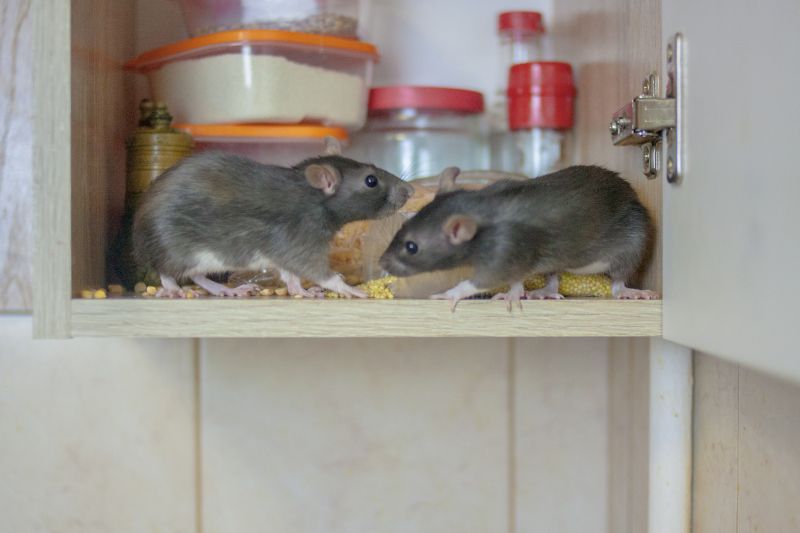
When evaluating local contractors for mice and rat pest control services, it’s important to consider their experience with similar projects. An established provider with a history of handling infestations in buildings similar to your own can offer insights into effective strategies for reducing health risks associated with mice and rats. Asking about their past work can help determine if they have the necessary expertise to address the specific challenges posed by rodents in your environment, ensuring that the approach taken is both appropriate and thorough.
Clear written expectations are essential when selecting a service provider for pest control. A reputable contractor should be able to outline the scope of work, including inspection procedures, treatment methods, and follow-up measures, in a way that is easy to understand. This transparency helps ensure that both parties are aligned on what will be done to mitigate health risks associated with mice and rats in buildings, and it provides a reference point should questions or concerns arise during the process.
Good communication and reputable references are key factors in choosing reliable local contractors. Service providers who can provide references from previous clients demonstrate a track record of successful work and professionalism. Open lines of communication, whether through prompt responses or detailed explanations, contribute to a smoother experience and help build confidence that the contractor will address concerns related to health risks effectively. Prioritizing these qualities can lead to a more positive outcome when dealing with potential health hazards posed by rodents in buildings.
Property owners often search for health risks associated with mice and rats in buildings when they are planning practical projects around their homes and businesses. Local pros provide Mice and Rat Pest Control services for everyday jobs and straightforward project options.
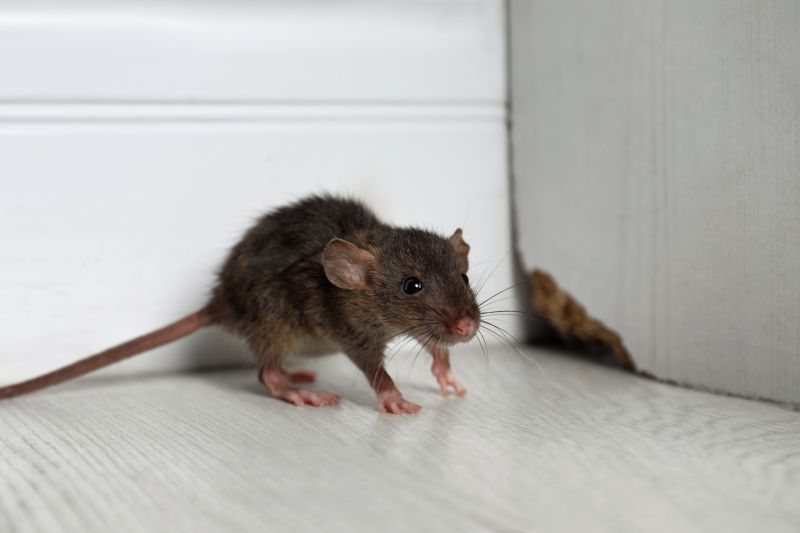
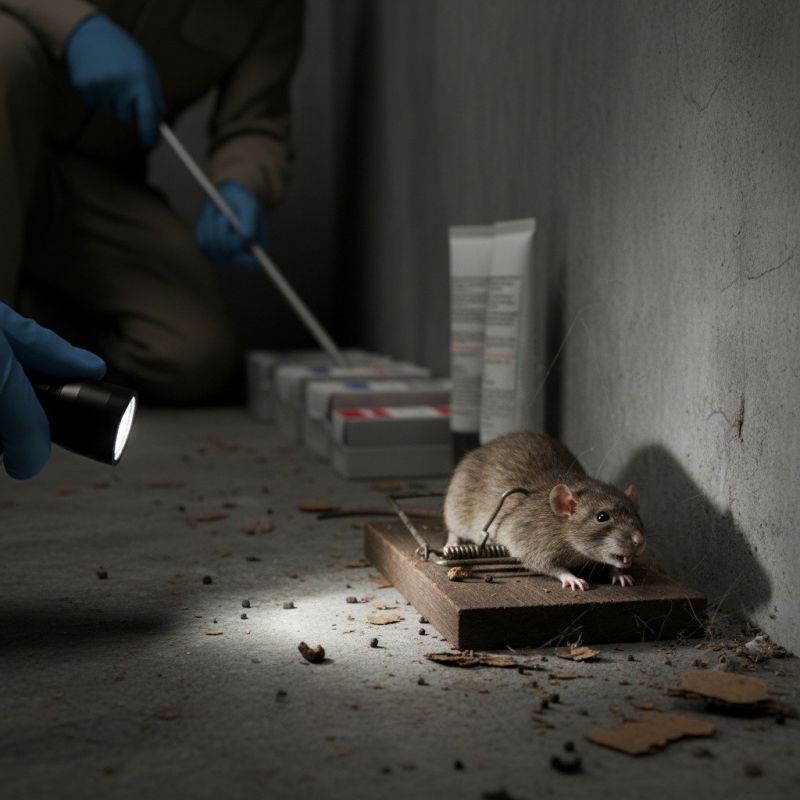
Property owners in the area often seek information about health risks associated with mice and rats in buildings because these pests can carry and spread various diseases that may affect household members or employees. Mice and rats can contaminate food supplies, surfaces, and utensils with their droppings, urine, and hair, increasing the risk of illnesses such as hantavirus, salmonella, and leptospirosis. Understanding these potential health dangers highlights the importance of timely prevention and removal, prompting property owners to consider professional pest control services to effectively address infestations.
Local contractors specializing in mice and rat pest control offer solutions that help reduce these health risks by safely eliminating rodents and sealing entry points to prevent future incursions. Engaging experienced service providers can help ensure that infestations are managed thoroughly, minimizing the chance of disease transmission and maintaining a healthier environment. Property owners who recognize the dangers linked to rodents often look for trusted local experts to handle the problem efficiently and safely.
What health risks are associated with mice and rats in buildings? Mice and rats can carry diseases such as hantavirus, salmonella, and leptospira, which can be transmitted to humans through contact with their droppings, urine, or nesting materials.
How can mice and rats impact indoor air quality and health? Their droppings, urine, and shed fur can contaminate surfaces and air, potentially causing respiratory issues and allergic reactions in sensitive individuals.
Why is it important to address mice and rat infestations promptly? Early intervention by local contractors can reduce the risk of disease transmission and prevent health problems caused by prolonged exposure to rodent-related contaminants.
What health concerns are linked to rodent droppings and nesting materials? These materials may harbor bacteria and parasites that can lead to infections, allergic responses, or other health complications if disturbed or inhaled.
How do pest control services help mitigate health risks associated with mice and rats? Local service providers can effectively remove infestations, sanitize affected areas, and implement exclusion measures to reduce ongoing health hazards.
Identify entry points - property owners can work with local contractors to find and seal holes or gaps that mice and rats use to enter buildings, reducing health risks associated with mice and rats in buildings.
Implement sanitation measures - maintaining cleanliness and removing food sources can help prevent infestations and minimize health hazards linked to mice and rats in buildings, with guidance from local pros.
Set traps and bait stations - placing traps in strategic locations can help control rodent populations and reduce exposure to health risks associated with mice and rats in buildings, under the supervision of local service providers.
Schedule regular inspections - routine evaluations by local contractors can identify signs of rodent activity early, helping to mitigate health risks associated with mice and rats in buildings before they escalate.
If you are thinking about health risks associated with mice and rats in buildings for a property, this guide is meant to help you understand this topic, the typical project types, and how different options might fit your plans.
When you are ready, you can use the quote form on this page to share a few details about your project. From there, local pros can review the basics and follow up with options that match what you have in mind.