Why Commercial Rodent Control Requires Specialized Solutions
Commercial rodent control aims to eliminate pests effectively, and local service providers have the specialized solutions needed to address the unique challenges of pest management in business settings.
Understanding why commercial rodent control requires specialized solutions is essential for property owners facing rodent issues. Unlike residential settings, commercial properties often have complex layouts, valuable inventory, and operational considerations that demand tailored approaches. Local contractors who focus on commercial rodent control are equipped to address these unique challenges, ensuring that infestations are managed effectively without disrupting business activities. Exploring this topic helps property owners recognize the importance of working with experienced service providers who understand the intricacies of commercial environments and can design customized strategies to keep rodents at bay.
For those managing warehouses, restaurants, or retail spaces, the practical reasons to consider specialized rodent control are clear. Rodents can cause significant property damage, contaminate products, and even lead to health code violations-making effective management critical. Local service providers specializing in commercial rodent control bring the expertise needed to identify entry points, implement targeted solutions, and establish ongoing prevention measures. Continuing to learn about why these services are necessary can help property owners make informed decisions that protect their investments and maintain a safe, pest-free environment.
- Commercial building inspections are essential when signs of rodent activity are detected, and local contractors use tailored strategies to identify entry points and nesting sites. Food storage facilities require specialized rodent control solutions to prevent contamination, with service providers implementing targeted baiting and sealing techniques. Industrial warehouses with extensive storage areas need comprehensive treatments that address hard-to-reach spaces, which local experts are equipped to handle effectively. Restaurants and food service businesses often seek specialized services to meet health standards, relying on local contractors to develop customized exclusion and trapping plans. Large-scale manufacturing plants benefit from integrated pest management approaches that consider the complexity of their environments, with local pros designing solutions suited to their unique needs.
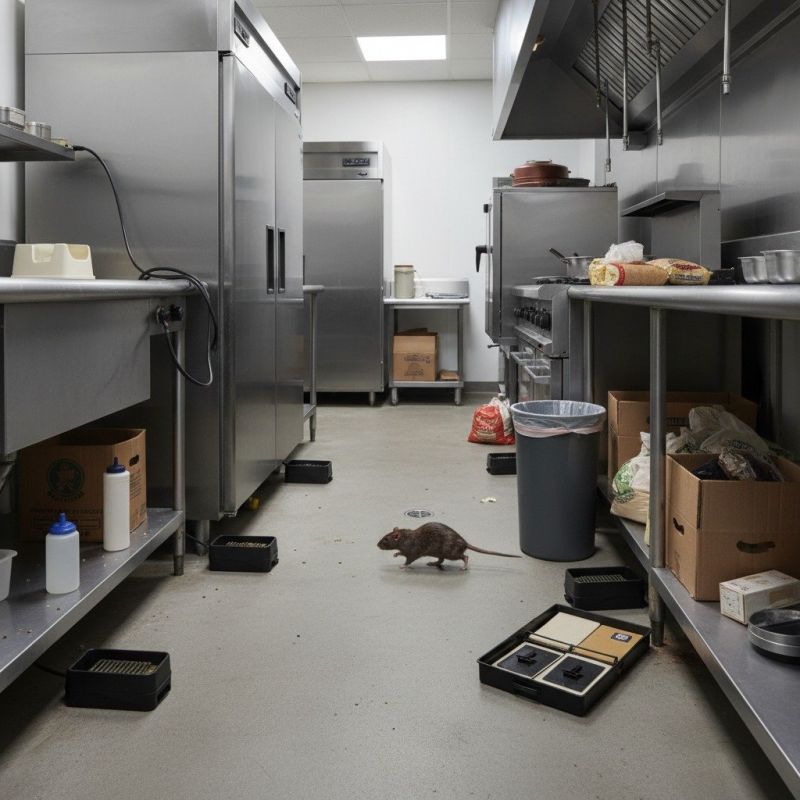


When people search for why commercial rodent control requires specialized solutions, they often want to understand the unique challenges involved in managing rodents in business environments. Unlike residential settings, commercial properties tend to have larger, more complex layouts with numerous entry points and hidden spaces that can serve as nesting sites. These factors make standard pest control methods insufficient, prompting the need for tailored strategies that address the specific conditions of commercial spaces. Homeowners and business owners alike seek guidance on how to effectively eliminate rodents without disrupting daily operations or risking future infestations, which underscores the importance of professional expertise in developing customized control plans.
The problems associated with rodent infestations in commercial properties are often more serious and far-reaching than those in homes. Rodents can cause significant damage to building infrastructure, electrical wiring, and stored inventory, leading to costly repairs and potential safety hazards. Additionally, rodents carry diseases and can contaminate food supplies or products, creating health risks for employees and customers. Many property owners recognize that addressing these issues involves more than just trapping or baiting; it requires a comprehensive approach that includes identifying entry points, implementing exclusion techniques, and establishing ongoing monitoring. These plans demand specialized knowledge and tools that are typically available through experienced service providers who understand the intricacies of commercial environments.
Properties that commonly come up in discussions about commercial rodent control include warehouses, restaurants, grocery stores, manufacturing facilities, and office buildings. These types of properties often present unique challenges due to their size, layout, and usage patterns. For example, food storage and preparation areas are particularly vulnerable to rodent activity and require strict sanitation and pest management protocols. Industrial spaces with extensive storage areas or structural crevices also provide ample hiding spots for rodents. Because these properties often operate around the clock or have high foot traffic, effective rodent control must be discreet and minimally disruptive. Local service providers experienced in commercial pest management can assess these environments and develop targeted solutions that fit the specific needs of each property.
Understanding why commercial rodent control requires specialized solutions helps property owners recognize the value of professional assistance. These solutions are designed to address the complexities of commercial spaces, ensuring that infestations are thoroughly eliminated and future problems are prevented. Local contractors who specialize in commercial pest management bring the necessary expertise to evaluate each property’s unique risks and develop effective strategies. They use advanced techniques and equipment to identify problem areas, seal entry points, and implement ongoing monitoring systems. By working with experienced service providers, property owners can better protect their investments, maintain safe environments, and ensure compliance with health and safety standards-all essential components of effective commercial rodent control.
Warehouse pest management - involves identifying and sealing entry points, similar to rodent control, requiring specialized planning and tools to prevent infestations in large commercial spaces.
Building inspection services - focus on assessing structural vulnerabilities that can allow pests to enter, paralleling the need for detailed evaluations in commercial rodent control projects.
Sealing and exclusion projects - require precise techniques to close gaps and entry points, which are essential skills in implementing effective rodent control solutions for businesses.
Food storage facility sanitation - involves maintaining hygiene standards that reduce pest attraction, aligning with the sanitation practices needed in commercial rodent management.
Structural repair and reinforcement - includes fixing walls, floors, and ceilings to prevent pest entry, a key component in comprehensive rodent exclusion efforts by local service providers.
Integrated pest management consulting - offers strategic planning to address pest issues holistically, similar to the tailored approaches required for commercial rodent control solutions.
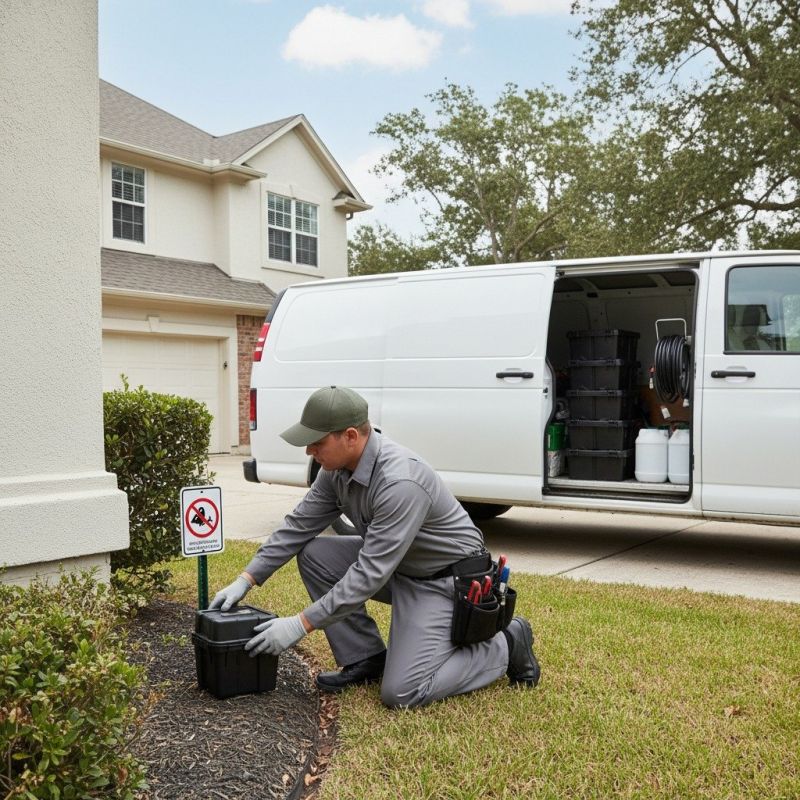
When evaluating service providers for commercial rodent control, it is essential to consider their experience with similar projects. Local contractors who have a proven track record in managing rodent issues within commercial environments are more likely to understand the unique challenges involved, such as building layouts, food storage areas, or high-traffic zones. Their familiarity with these specific settings can help ensure that the solutions implemented are effective and tailored to the particular needs of the property, reducing the risk of recurring infestations.
Clear written expectations are another important factor when comparing local pros. A reputable service provider should be able to outline the scope of work, methods used, and what the client can expect throughout the process in straightforward terms. This transparency helps prevent misunderstandings and ensures that both parties are aligned on project goals. It also provides a basis for accountability, making it easier to assess whether the contractor’s approach aligns with the property's requirements for comprehensive rodent control.
Reputable references and strong communication skills are key indicators of a reliable contractor. References from previous commercial clients can offer insights into the contractor’s ability to deliver consistent results and handle the complexities of commercial rodent control. Good communication throughout the process - including responsiveness, clarity, and professionalism - is vital for addressing questions, providing updates, and making informed decisions. When comparing local service providers, these qualities can significantly influence the overall experience and confidence in the chosen contractor’s ability to effectively manage rodent issues.
Property owners often search for why commercial rodent control requires specialized solutions when they are planning practical projects around their homes and businesses. Local pros provide Commercial Rodent Control services for everyday jobs and straightforward project options.
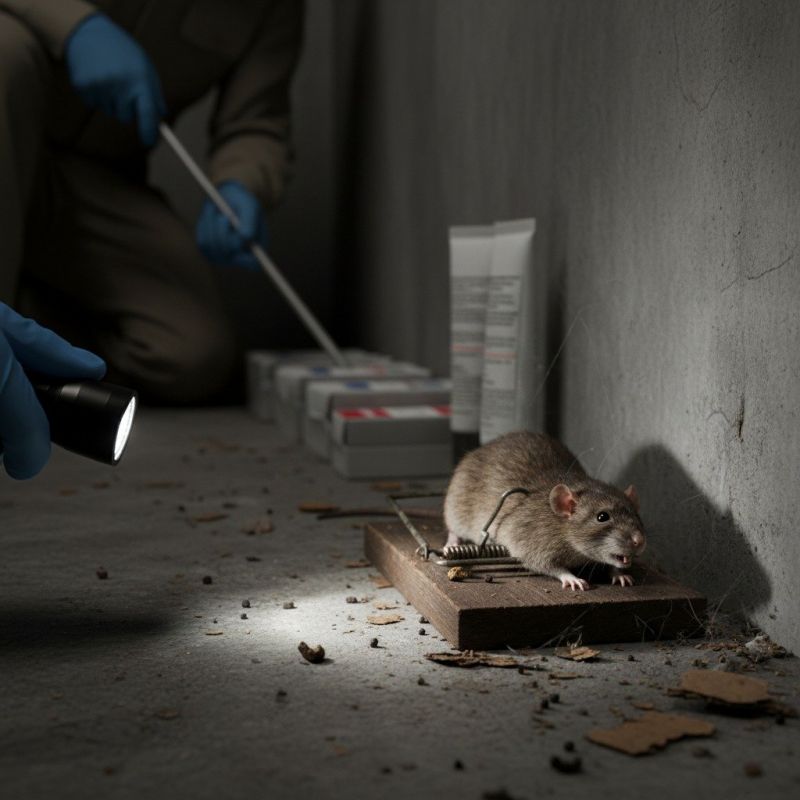
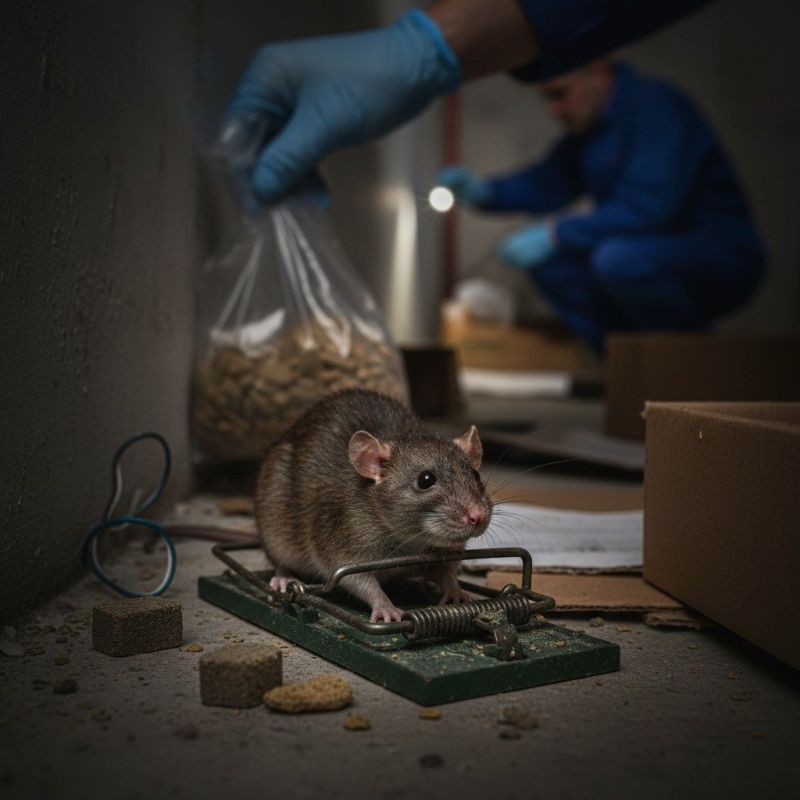
In many commercial properties, rodent infestations can pose serious challenges that go beyond simple trapping or baiting. Property owners often find themselves needing specialized solutions because of the complexity of their facilities, which may include large storage areas, food processing zones, or intricate ventilation systems. These environments require tailored approaches to effectively eliminate rodents while minimizing disruption to daily operations. Local contractors with experience in commercial rodent control understand the unique features of different types of businesses and can develop strategies that address the specific needs of each property.
Additionally, commercial properties often have regulations and safety considerations that make standard pest control methods insufficient. Property owners might seek out specialized services to ensure compliance with health codes or to prevent damage to sensitive equipment and inventory. Experienced service providers can assess the layout and conditions of a property to implement targeted solutions that are both effective and compliant. Recognizing why commercial rodent control requires specialized solutions helps property owners connect with local contractors equipped to handle these complex situations efficiently.
Why can't general pest control methods handle commercial rodent problems? Commercial rodent control requires specialized solutions because rodents can hide in hard-to-reach areas and may develop resistance to standard treatments, making it necessary for service providers to use targeted strategies tailored to commercial environments.
What makes commercial rodent control different from residential services? Commercial rodent control involves addressing larger infestations and complex building structures, requiring expertise in identifying entry points, sanitation issues, and implementing integrated pest management approaches suited for business settings.
Why do local contractors need specific training for commercial rodent control? Local contractors need specialized training to understand the unique challenges of commercial properties, such as industrial equipment and storage areas, ensuring effective and thorough removal without disrupting business operations.
How do commercial rodent control solutions ensure long-term effectiveness? These solutions often include comprehensive inspections, sealing entry points, sanitation improvements, and ongoing monitoring, which require expertise that general methods may not provide to prevent future infestations.
Why is it important to work with service providers experienced in commercial rodent control? Experienced service providers understand the complexity of commercial environments and can develop customized strategies that address specific risks and structural challenges, ensuring more reliable and effective rodent management.
Understanding rodent behavior - property owners can work with local contractors to identify common entry points and nesting areas to develop targeted exclusion strategies.
Using specialized trapping methods - property owners can implement advanced trapping techniques provided by local service providers to effectively reduce rodent populations.
Implementing sanitation practices - maintaining clean and clutter-free spaces helps prevent attracting rodents, with guidance from local pros on best practices.
Applying tailored treatment plans - property owners can develop customized control solutions that address unique property features and rodent activity levels with help from local contractors.
If you are thinking about why commercial rodent control requires specialized solutions for a property, this guide is meant to help you understand this topic, the typical project types, and how different options might fit your plans.
When you are ready, you can use the quote form on this page to share a few details about your project. From there, local pros can review the basics and follow up with options that match what you have in mind.